
Foundation Waterproofing in Los Angeles: Exterior vs Interior
Compare exterior and interior foundation waterproofing for LA homes. Learn how PiersPro addresses moisture, hydrostatic pressure, and protects your foundation.
Read Article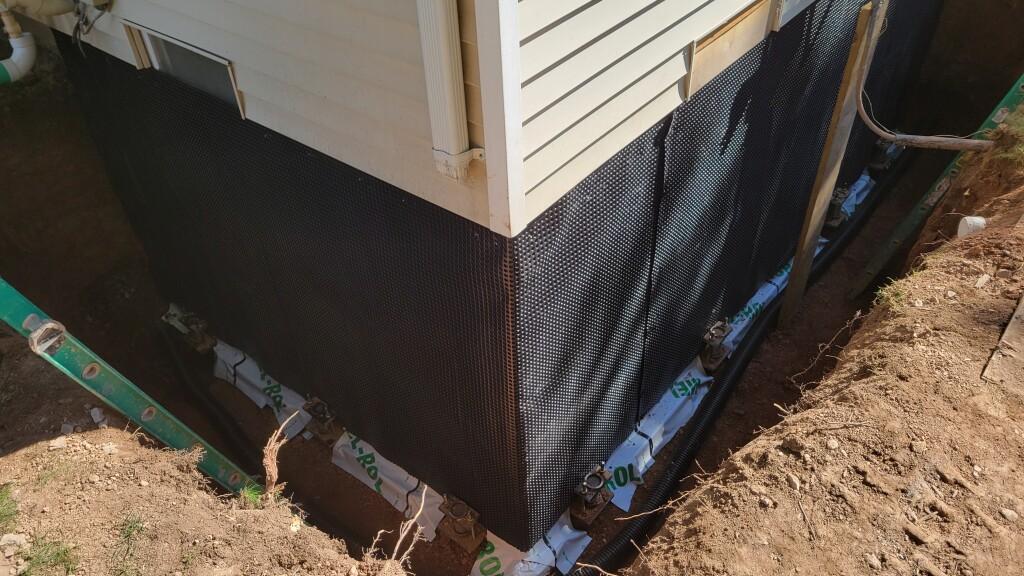
Permanent barrier protection against hydrostatic pressure, moisture intrusion, and concrete degradation
Water is the single most destructive element threatening residential and commercial foundations across Southern California. Although concrete appears solid, it is inherently porous — crisscrossed with microscopic capillaries that absorb moisture from the surrounding earth through capillary action (wicking). During winter atmospheric river events and continuous rainy cycles, saturated soils generate intense hydrostatic head pressure against subterranean foundation footings and stem walls.
Without an engineered waterproofing system, this moisture pushes directly through microscopic fractures and cold pour joints, dissolving calcium hydroxide from the concrete matrix (efflorescence), corroding internal steel rebar, and softening supporting subgrade soil beneath the footings.
The core mission of foundation waterproofing is twofold:
At PiersPro, our licensed specialists design and install engineered waterproofing systems tailored to your property's specific elevation, soil mechanics, and structural footprint.
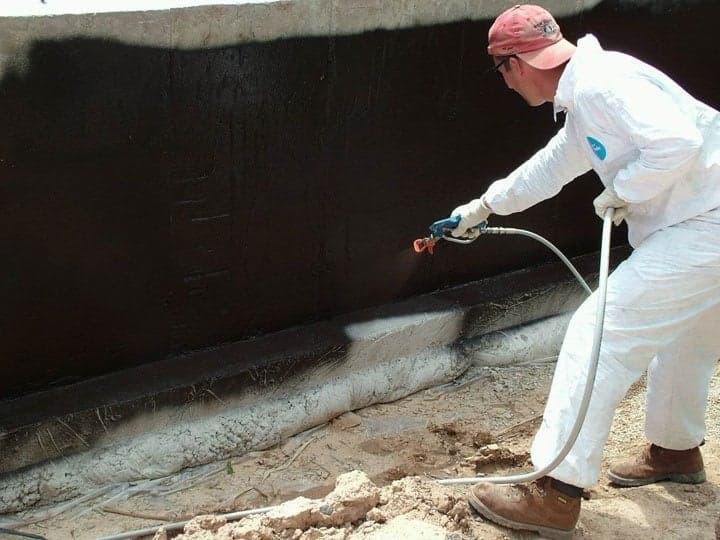
The premier standard for subterranean foundation defense. Applied directly to the bare exterior concrete surface from the finished soil grade down to the footing base. Using polymer-modified asphalt emulsions (such as W.R. Meadows MEL-ROL LM) or cold fluid-applied synthetic rubber, this process cures into a seamless, monolithic, 100% waterproof barrier.
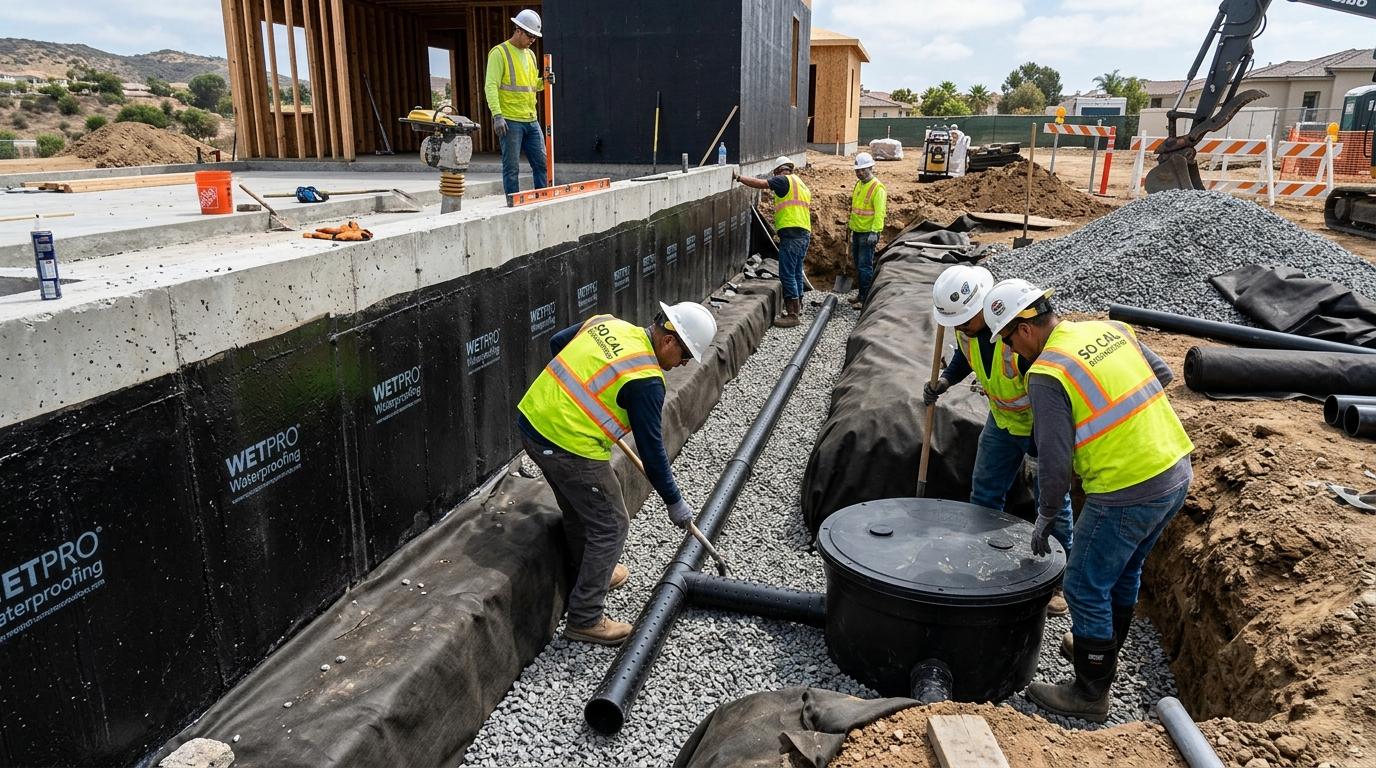
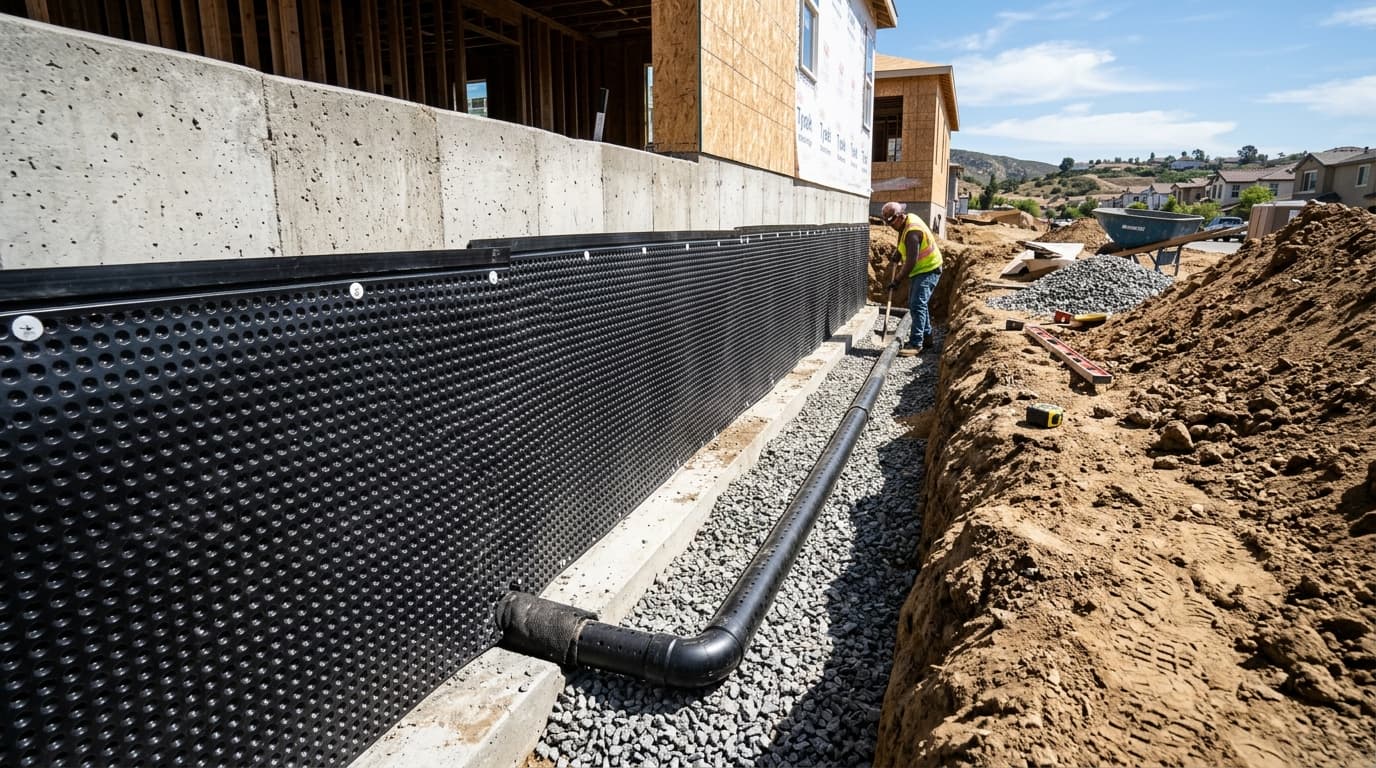
Waterproofing membranes must never face hydrostatic pressure alone. Heavy-duty High-Density Polyethylene (HDPE) dimpled geocomposite drainage boards are installed over the cured waterproofing membrane, paired with a perforated rigid PVC French drain pipe encased in washed drain rock and geotextile filter fabric.
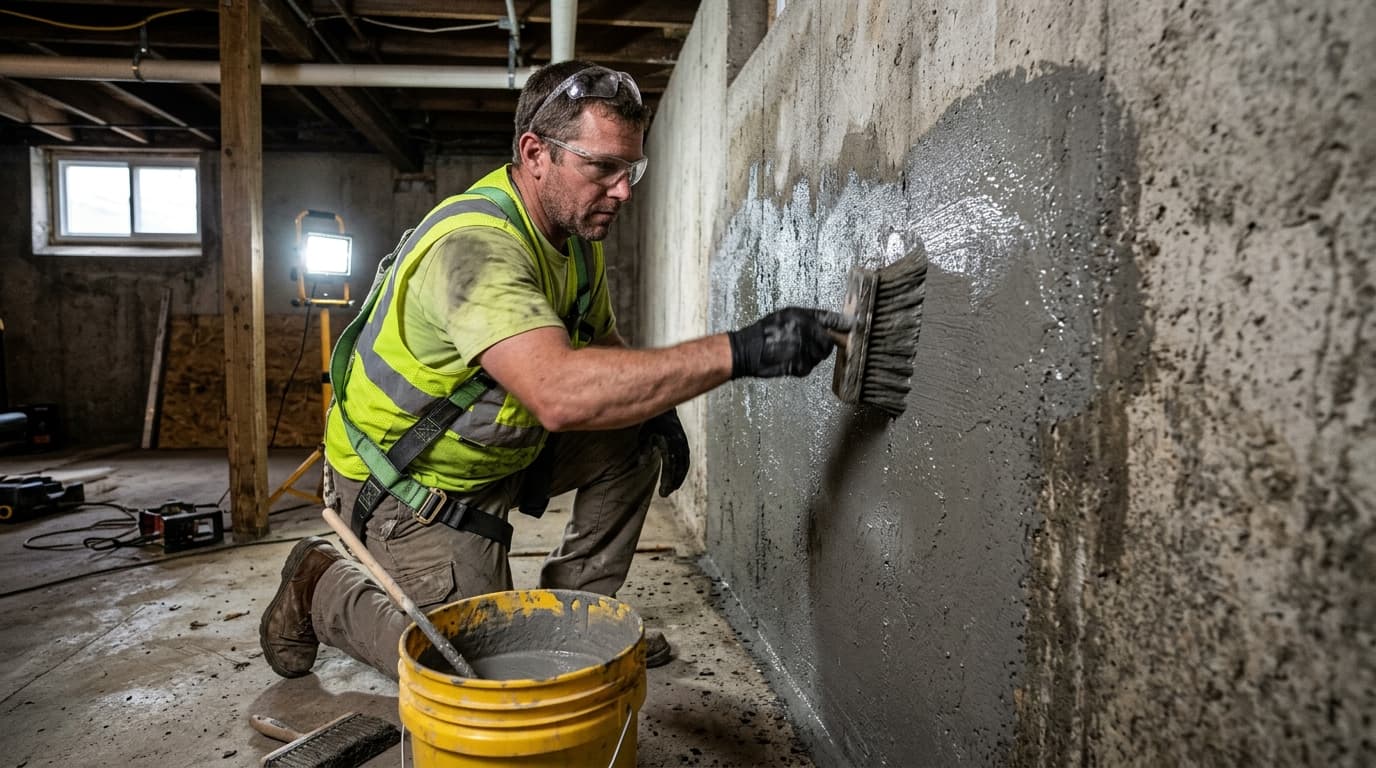
A revolutionary molecular technology that turns the concrete itself into an impenetrable barrier. Applied as a slurry coating to exterior or interior damp concrete surfaces, active hydrophilic chemicals penetrate deep into the concrete's micro-pores through moisture osmosis.
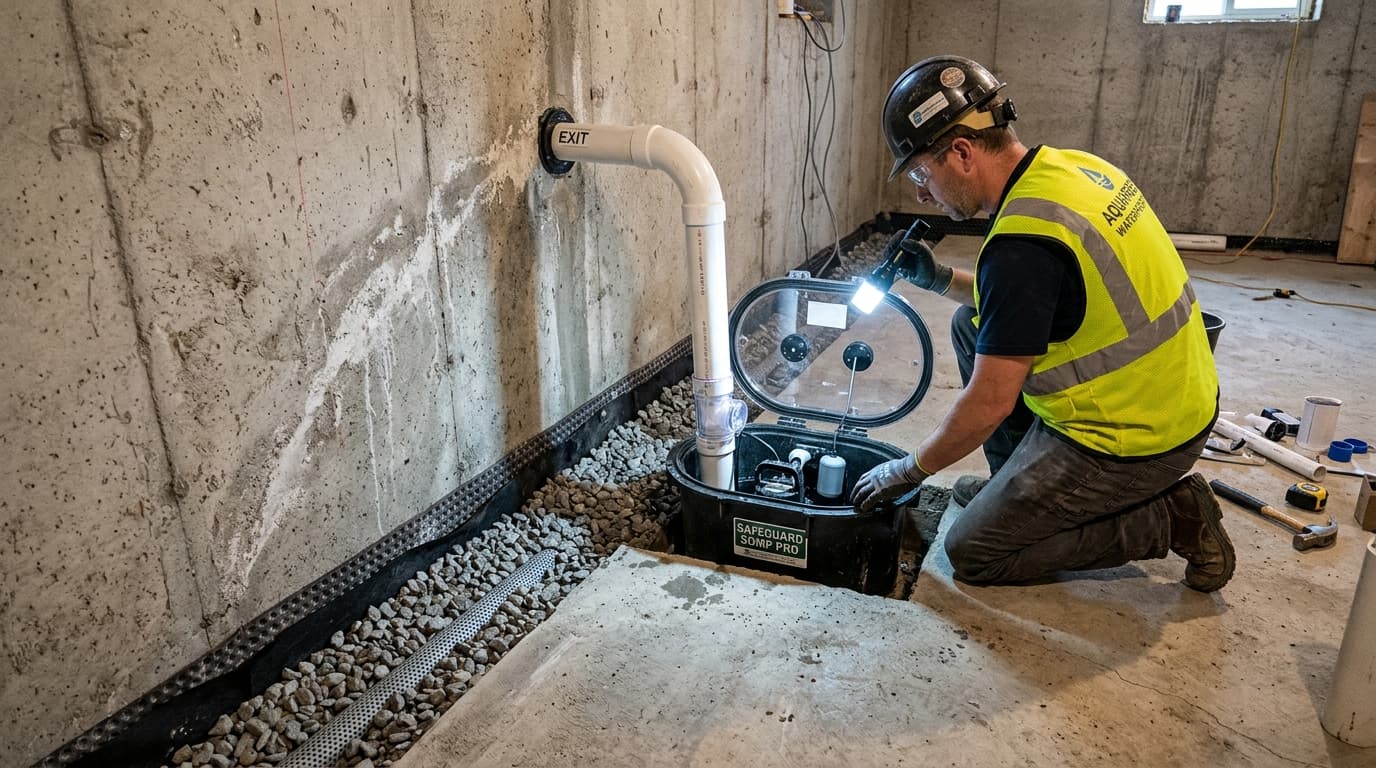
When property lines, zero lot line setbacks, neighboring structures, or expensive finished concrete driveways make exterior excavation impossible, interior water management provides guaranteed protection from the inside out.
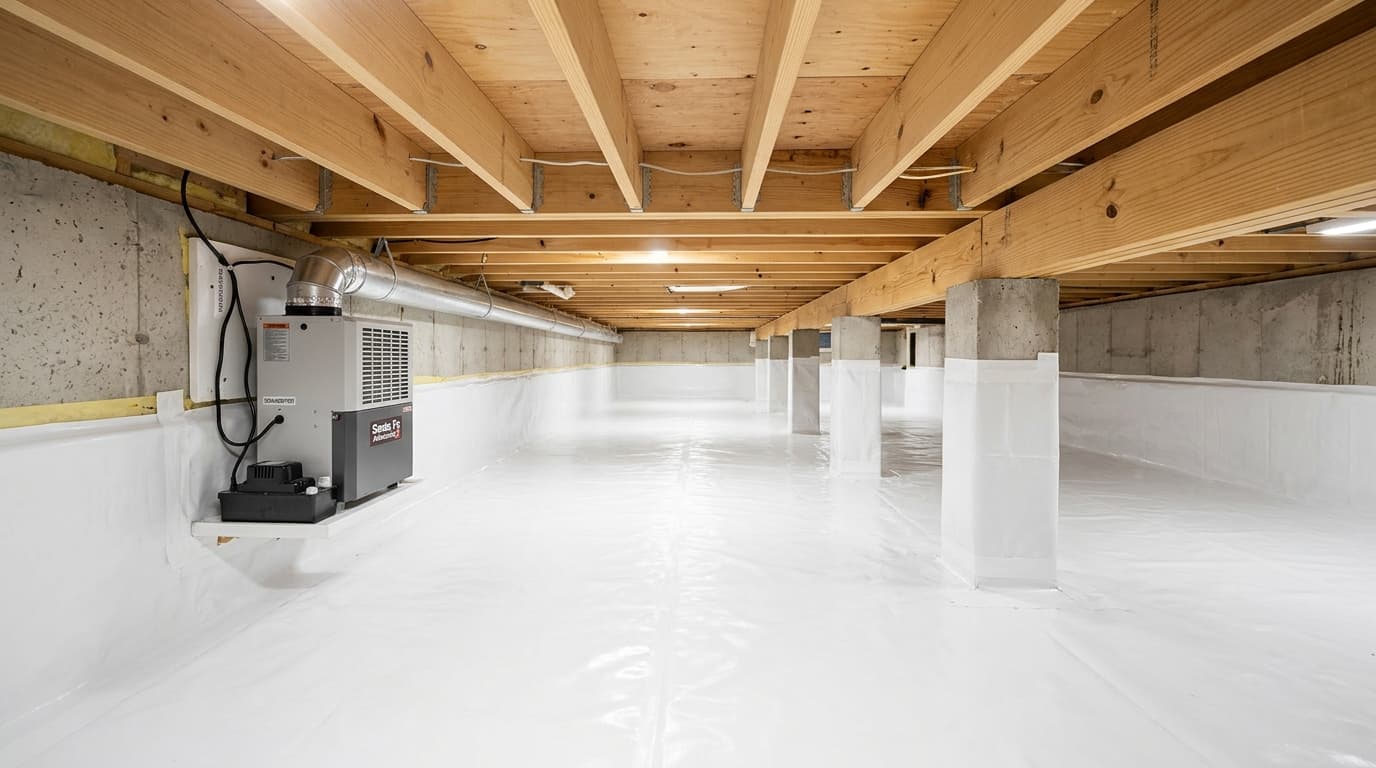
An unsealed earthen crawl space continuously evaporates hundreds of gallons of moisture into the wooden floor structure above. Our encapsulation systems utilize multi-ply, antimicrobial, virgin-polyethylene membranes (12 to 20 mil thickness) covering 100% of the ground and mechanically sealed to all perimeter walls and interior piers.
## Engineering Best Practices & California Building Code Standards
Under California Building Code (CBC Section 1805), all below-grade retaining walls and habitable subterranean spaces require verified dampproofing and waterproofing membranes combined with positive gravity drainage to prevent moisture intrusion.
### Why Surface "Waterproof Paints" Consistently Fail Many homeowners attempt to solve moisture intrusion by applying DIY waterproof paint (such as masonry sealer or Drylok) to the interior side of a damp wall. Within one or two seasons, this paint bubbles, flakes, and peels away.
Why? Because hydrostatic pressure pushes the paint off from the behind the wall (negative-side pressure). Water will always find the path of least resistance. True foundation protection requires either stopping water on the exterior (positive-side membrane) or managing it with an engineered sub-slab drainage conduit and automatic pump station.
### Proactive Rainy-Season Checklist for Homeowners:
Why is water so dangerous to Southern California foundations? Understanding the physics of moisture damage helps homeowners choose the right permanent solution:
During heavy winter rains, soil surrounding your foundation becomes saturated. Water weighs 62.4 lbs per cubic foot, creating enormous lateral pressure that pushes moisture through micro-pores, cold joints, and hairline fractures.
Concrete acts like a hard sponge. Through capillary attraction, unsealed footings can draw groundwater vertically upward into interior walls and wood framing, causing hidden wood rot and flooring ruin.
As water travels through concrete, it dissolves calcium hydroxide and binding salts from the cement paste. The white powdery deposits (efflorescence) indicate that the concrete is gradually losing compressive strength and disintegrating.
Water pooling around foundation footings liquefies expansive clay soils and washes away supporting fine sands. When bearing capacity is lost, the foundation drops, shearing walls and doors out of alignment.
Both approaches have clear engineering advantages depending on your home's access, foundation type, and site slope:
Stops water before it touches the structure. Involves trenching down to the footing, applying elastomeric membrane, dimple drainage mat, and gravel French drains. Best for complete peace of mind when perimeter access is open.
Ideal when exterior concrete patios, AC condenser pads, or neighboring property lines prevent digging outside. Captures water beneath the slab and pumps it away safely via an automatic sump lift station.
Hydrophilic crystalline slurry applied directly to damp interior walls. Fills micro-pores with insoluble crystals, stopping moisture passage without any excavation.
Every waterproofing project must include surface drainage: clean downspout extensions, sloped concrete flatwork, and catch basins to keep rainfall from ponding against the building.
We map subgrade moisture intrusion points, measure slab elevation differentials, and assess hydrostatic pressure sources.
We determine whether exterior membrane, dimple drainage, crystalline sealing, or interior sump stations provide the optimal permanent solution.
We excavate to footing depth where required, pressure-wash concrete surfaces, and inject structural epoxy into active fractures.
We apply seamless elastomeric waterproofing, install dimple drainage boards, and lay rigid perforated footing pipes in washed rock.
We backfill with free-draining granular material, establish positive slope away from the home, and test all drainage discharge lines.
Exterior waterproofing creates an impermeable barrier on the outside of the concrete wall down to the footing base, stopping groundwater before it ever touches the structure. Interior water management channels water that seeps under the slab into perforated pipes and automatically pumps it out via a sealed sump basin. Exterior is the ultimate gold standard, while interior is ideal when exterior excavation is blocked by patios or property lines.
Yes. Interior sub-slab drainage systems paired with sealed sump pumps and crystalline capillary slurry coatings provide complete moisture control from inside the crawl space or basement. This eliminates the need to demolish exterior concrete patios, walkways, or landscaping.
Efflorescence is a deposit of mineral salts left behind when groundwater wicks through porous concrete. As water evaporates on the interior surface, it leaves crystallized calcium hydroxide behind. This confirms active water passage through the wall, which gradually leaches cement paste and weakens the concrete over time.
Yes. Foundation settlement in Southern California is almost always triggered by water pooling against footings and saturating subgrade expansive clay soils. When soil loses its load-bearing capacity, the foundation drops. By diverting water away from the footings and relieving hydrostatic pressure, waterproofing permanently stabilizes the subgrade soil.
When installed with high-grade polymer-modified elastomeric membranes, dimple protection boards, and rigid PVC drainage pipe encased in washed rock, an exterior foundation waterproofing system has an expected service life of 30 to 50+ years beneath grade.
Exterior excavations deeper than 3 to 4 feet along foundation footings, public right-of-way street curb drain connections, and structural alterations typically require city building permits and engineering compliance. PiersPro manages the entire permitting, code compliance, and city inspection process for you.
Expert tips and insights on foundation repair, waterproofing, and structural maintenance in Southern California.
Compare exterior and interior foundation waterproofing for LA homes. Learn how PiersPro addresses moisture, hydrostatic pressure, and protects your foundation.
Read Article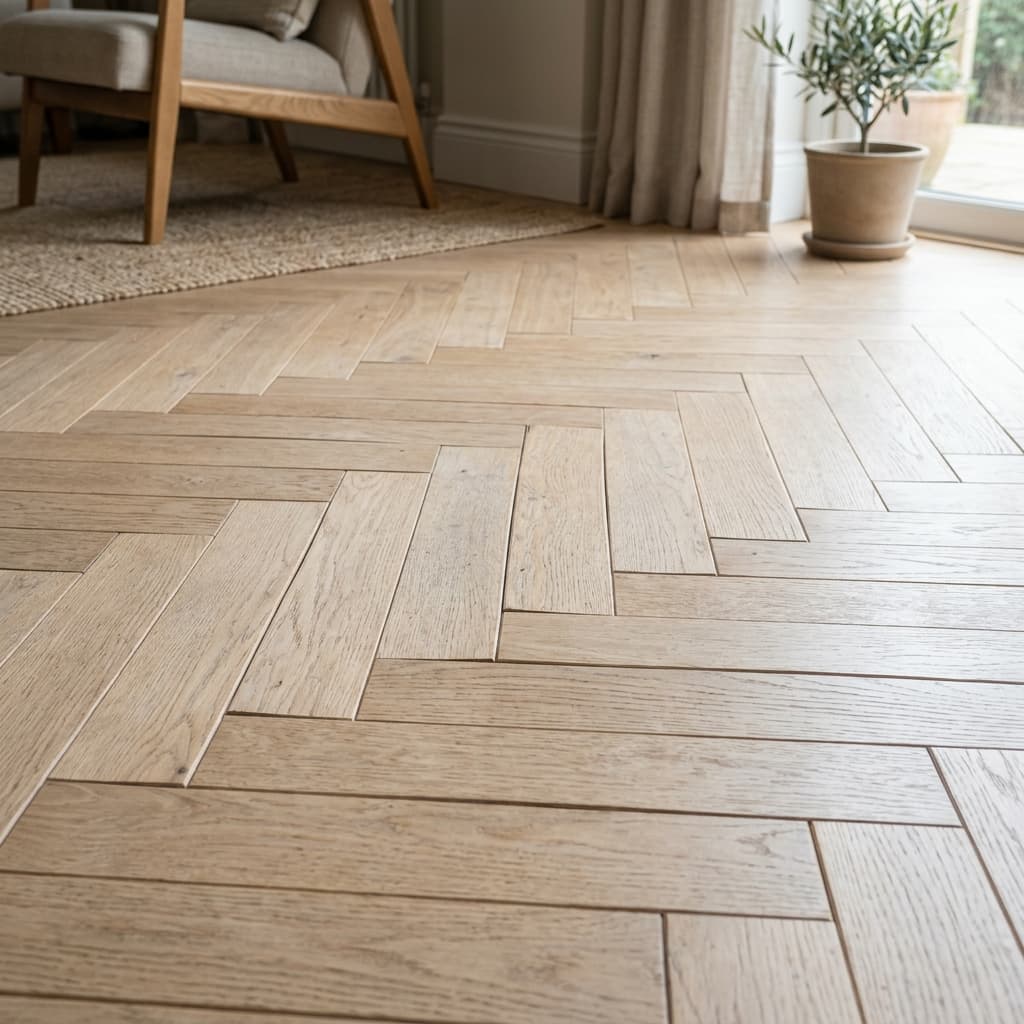
A case study of a home in Orange, CA, experiencing severe floor buckling due to concrete flatwork poured above the stucco weep screed, causing slab moisture.
Read ArticleDiscover the latest in foundation waterproofing for Southern California. Learn about smart systems, advanced membranes, and 2026 code updates to protect your home's integrity and value.
Read ArticleSchedule your diagnosis today. Most appointments within 48 hours.
Get Expert Diagnosis