Diagnostic Guide

Is a Sump Pump Station Right for Your Home?

The order matters. Identify your symptoms, verify property fit, and explore tailored drainage alternatives.

Signs the system is needed⚠️ Warning Signs

Signs You Need It

  • Flat topography, bowl-shaped lots, or reverse slopes where the street curb is higher than the yard
  • Sunken patios, walkout basements, window wells, or driveways sloping down toward the garage
  • High seasonal water table overwhelming gravity drains with no downhill exit point
  • Stormwater pooling in low depressions with zero natural gradient to carry runoff away
Where the system fits✔ Perfect Match

Where It Fits

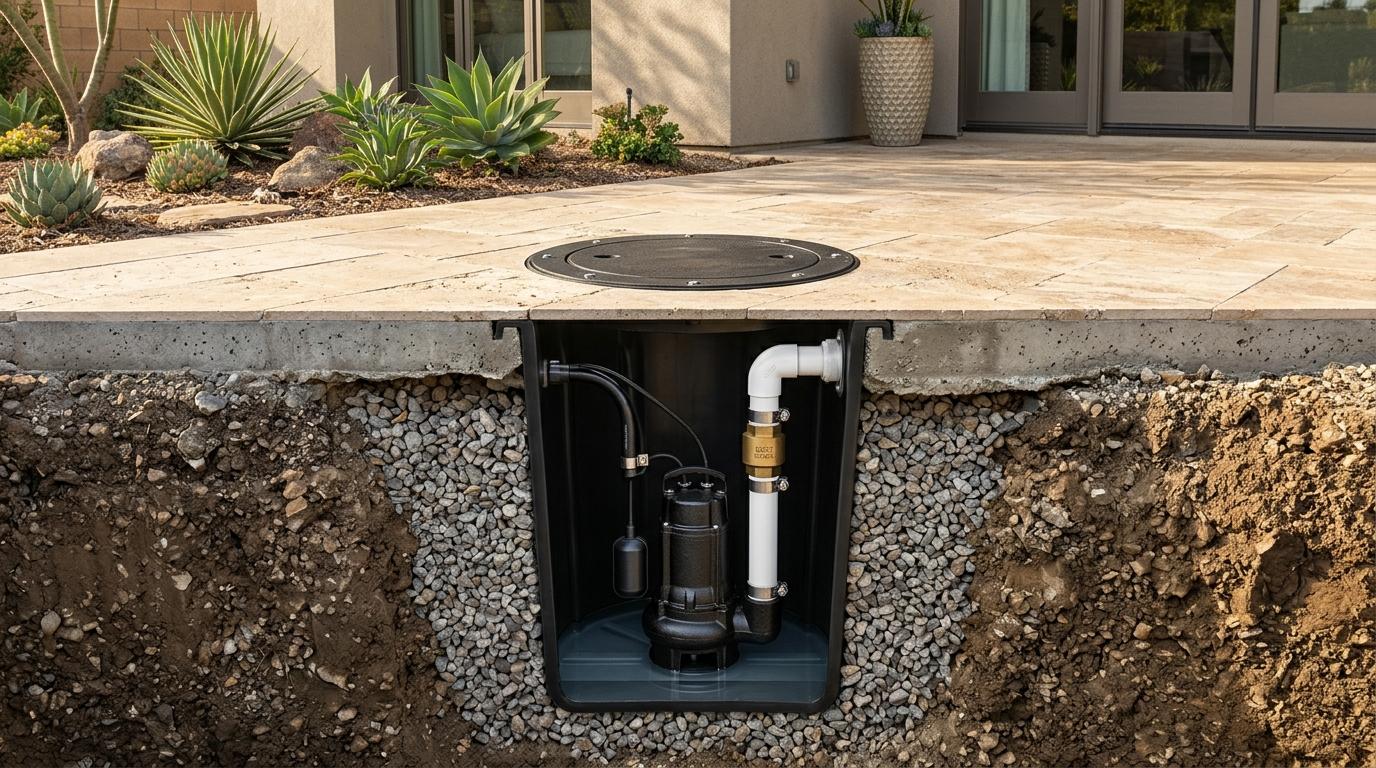
  • Engineered structural basins set on crushed stone with gas-tight, pedestrian-rated bolted lids
  • Commercial-grade cast-iron submersible pumps with vortex impellers handling 1/2" to 2" solids
  • Rigid Schedule 40 PVC pressure mainlines equipped with silent spring check valves and unions
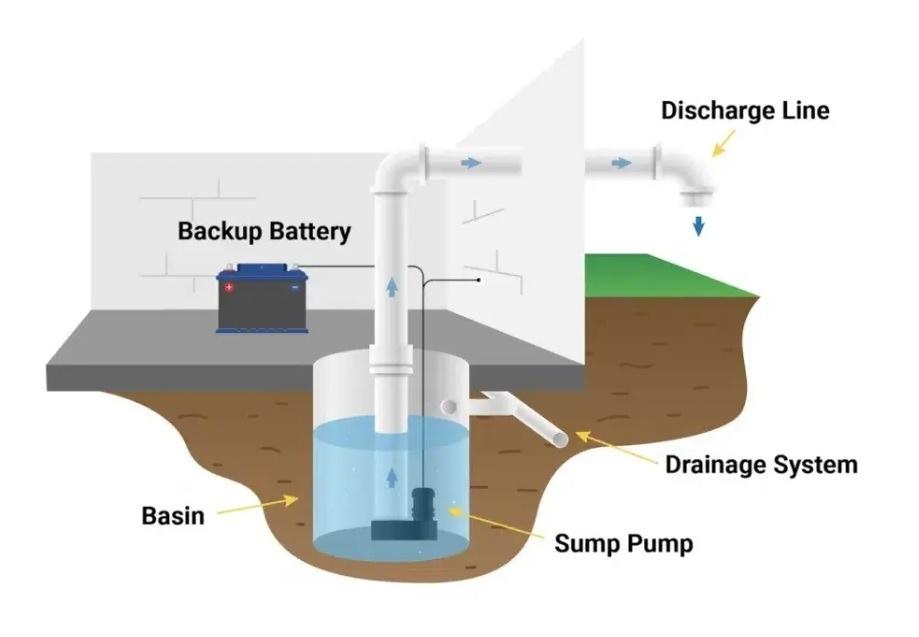
  • Dedicated GFCI electrical circuits with dual vertical float switches and emergency battery backup
Alternatives

Where It Does Not Fit

Properties where a gravity pipe can achieve 1% fall to an approved outlet (gravity is passive and requires no electricity) · Sanitary sewage or blackwater disposal (our systems are strictly engineered for stormwater and groundwater)

↘️ Gravity Can Reach an Outlet?

If a pipe can run downhill to the street or a swale, gravity is simpler and more reliable.

Explore Catch Basins ➔
💧 Groundwater Along the Wall?

Seepage along a foundation is handled by an in-ground gravel filter, not a pump.

Explore French Drains ➔

How we build it

The order matters. Each step sets up the next one.

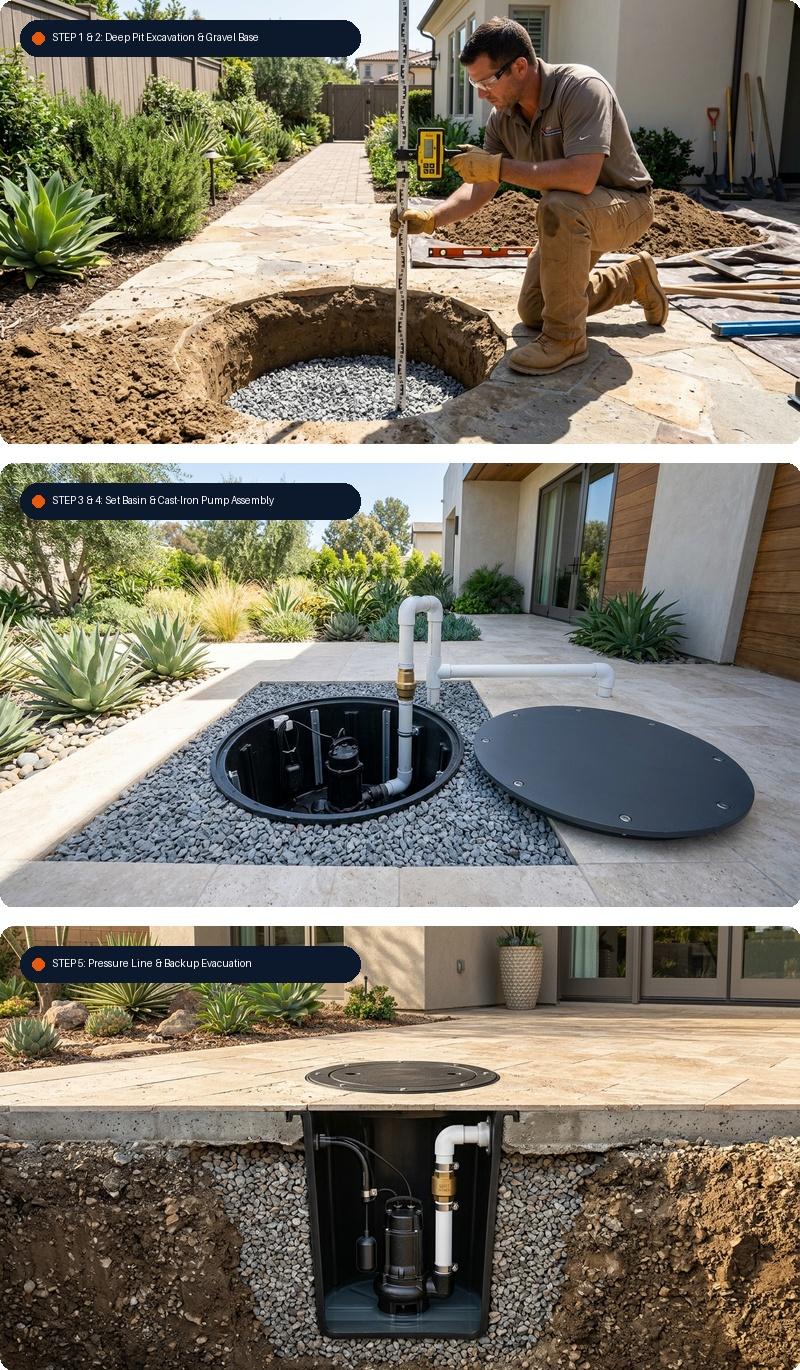
  1. Calculate total dynamic head & GPM sizingWe calculate vertical elevation lift, run length, and pipe friction to engineer exact pump horsepower and GPM capacity sized for peak storm surges.
  2. Deep pit excavation & gravel base settingThe excavation is dug with mobile dewatering pumps managing groundwater, establishing a level 6-inch crushed gravel foundation to prevent settling.
  3. Set structural basin & seal gravity inletsThe heavy-duty structural polyethylene basin is set and leveled. Incoming gravity pipes from French drains and catch basins are sealed with watertight rubber grommets.
  4. Assemble pump, check valve & pressure lineA cast-iron pump is fitted with stainless steel hardware, a silent spring check valve, quick-disconnect union for easy servicing, and a rigid PVC discharge mainline.
  5. Electrical hookup, battery backup & flood testingWe connect a dedicated GFCI circuit and battery backup system, flood-testing the basin under real load to verify float activation, cycle time, and rapid evacuation.
Three stages of a sump pump station installation: deep pit excavation with gravel base, assembling structural basin with cast-iron pump and Schedule 40 PVC, and finished flush bolted lid with backup system

What goes wrong when it is done badly

Missing or cheap swing check valve
Without a quality spring check valve, gallons of water in the vertical pipe rush back into the basin, causing the pump to short-cycle and burn out rapidly.
Flimsy tethered float switch
Cheap tethered floats snag against basin walls or incoming pipes in turbulent water, jamming the pump either permanently ON or failing to turn on during a storm.
No battery backup or dual-pump redundancy
Atmospheric river storms frequently knock out grid electricity exactly when the pump is needed most, leading to catastrophic basement or patio flooding.
Undersized discharge pipe diameter
Restricting a high-output pump with undersized pipe or flexible hoses increases motor strain, slashes GPM evacuation rate, and causes premature pump failure.

What it costs

Sump pump station pricing depends on basin depth and volume, pump horsepower (1/3 HP to 1+ HP commercial cast iron), vertical head lift, distance of the underground pressure discharge line to the curb, electrical trenching, and battery backup configuration. A detailed estimate is provided following our on-site survey. The on-site inspection starts at $99 and is credited toward repair.

Questions about Sump pump station

What happens to the sump pump station if the power goes out during a storm?

We install high-capacity battery backup inverter systems or dual-pump redundant configurations. If the primary power grid fails, the system automatically switches to battery power, keeping your property protected for hours of continuous pumping.

How loud is an outdoor drainage sump pump station?

Virtually silent. The pump is fully submerged underwater inside a sealed, gasketed basin below ground. We use silent spring-cushioned check valves that eliminate the loud "water-hammer clunk" common in cheap installations.

How often does a sump pump station require maintenance?

We recommend inspecting the basin once a year before the winter storm season. Lift the lid to clear any accumulated silt or leaves, test the float switch movement, and verify the battery backup charge level.

Can a sump pump station lift water from both French drains and downspouts?

Yes. Gravity collection pipes from French drains, surface catch basins, and downspout lines can all terminate into the central basin, where the pump lifts the combined volume up to the street or municipal storm sewer.

How much does a sump pump station cost?

A sump pump typically costs $800 to $1,450, depending on the pump, basin and discharge route. Every project is priced individually and the final cost is determined after an on-site visit.

Which areas do you serve?

We install sump pump systems in Los Angeles County and Orange County, within about 40 miles of Whittier.

Transparent Pricing

Start with an on-site drainage inspection

Good drainage starts with knowing which way your water moves. On every visit we shoot levels across the lot with professional equipment and map the elevations of your site. We use those numbers to design the pipe, its fall and the outlet, then price the job line by line. Led by a California Licensed General B Contractor (Lic #1110475).

  • Level shots across the lot with professional leveling equipment
  • An elevation map of your site, built for our own design calculations
  • Itemized estimate based on measured fall, not guesswork
  • The full $99 is credited toward the work if you hire us

Licensed General Contractor #1110475 (Class B, C-10). Requirements vary by city. Check your city’s building department for local rules.

ANY ON-SITE VISIT
Professional Inspection & Estimate
$99
Full site inspection, level survey and an itemized estimate for your drainage project • credited in full toward the work when you hire us
Calculate by ZIP & Book