
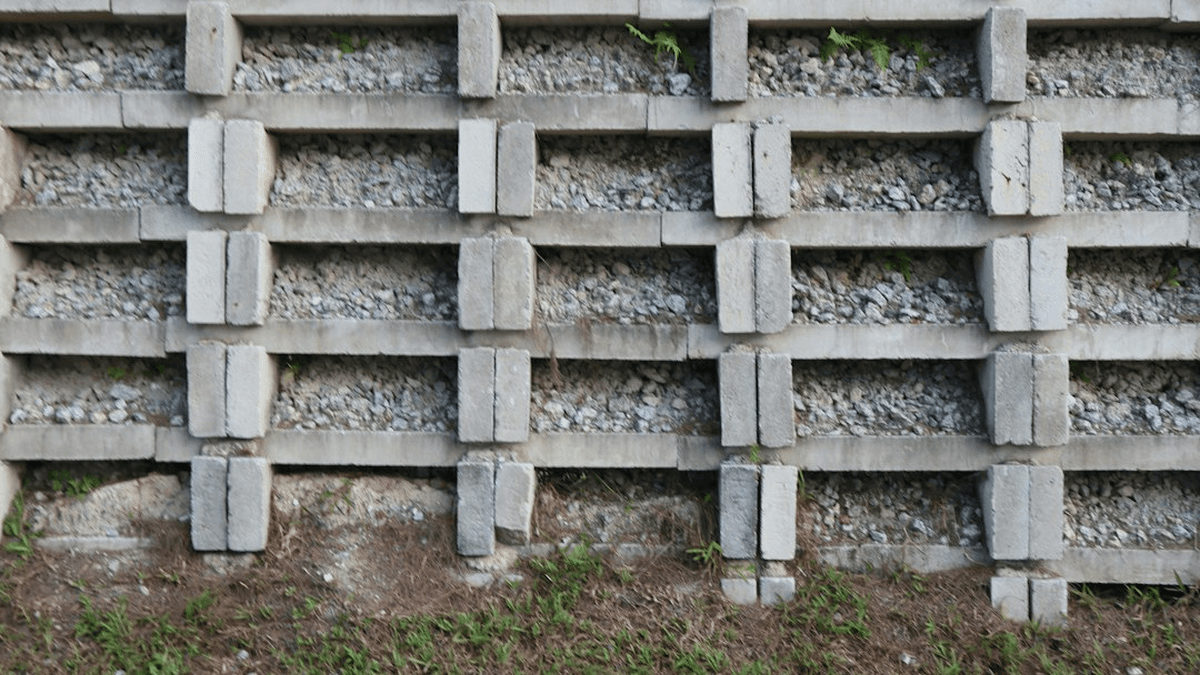
Learn when a retaining wall requires a building permit in California. Understand the 4-foot height rule, engineering stamps, and local building codes.
Table of Contents
Retaining walls are essential for managing sloped terrain, preventing erosion, and creating terraced landscaping on hillside lots in Southern California. However, because retaining walls hold back tons of soil and water pressure, they represent a significant safety hazard if they fail.
To prevent collapse, California building codes enforce strict regulations regarding retaining wall construction and permitting.
At PiersPro (CA GC License #1110475), we design, permit, and construct retaining walls. This guide explains California’s 4-Foot Rule and details when your project requires a building permit.
The 4-Foot Height Rule in California
Under the California Building Code (CBC), a building permit is generally required for any retaining wall that is over 4 feet tall, measured from the bottom of the concrete footing to the top of the wall.
- Permit Exempt Walls (Under 4 Feet): Do not require a permit, provided the wall is built on flat terrain and does not support any surcharge loads (like a driveway, parking space, or building footing above the wall).
- Permitted Walls (Over 4 Feet): Require structural engineering plans, calculation stamps from a licensed civil/structural engineer, and inspections by the local building department (LADBS or OC).
Even if a wall is under 4 feet, if the slope above the wall is steep or supports a structure, the city will require a permit.
Do you have a leaning or cracked retaining wall on your hillside lot?
Don't risk a slope failure. PiersPro provides complete engineering, permitting, and retaining wall construction. Schedule our on-site inspection from $99 (credited to your contract).
Schedule a Wall Evaluation or call (213) 583-6669 to speak with our team.
Quick Reference
| Wall | Permit and engineering |
|---|---|
| Up to 4 feet from bottom of footing, level ground, nothing above it | Often exempt |
| Up to 4 feet but supporting a slope, driveway or structure | Generally required |
| Over 4 feet from bottom of footing | Generally required |
| Any height in a hillside or landslide area | Check locally; often required |
Cities and counties add their own rules, and hillside areas are often stricter. Confirm with your building department before design.
How the Height Is Measured
The four feet is measured from the bottom of the footing, not from the ground you see. A wall that shows three feet above grade can exceed the limit once the footing is counted.
What a Permit Package Usually Includes
- A site plan showing the wall, property lines and what is above and below it.
- Engineered drawings with footing size, reinforcement and drainage.
- Calculations, and a soils report where the city asks for one.
- Inspections of the footing, reinforcement and drainage before backfill.
Frequently Asked Questions (FAQ)
Q1: What happens if I build a retaining wall over 4 feet without a permit?
A1: Code enforcement can issue stop-work orders, assess fines, and force you to demolish the wall. Unpermitted walls can also complicate a sale or an insurance claim.
Q2: Why is drainage critical for retaining walls?
A2: Retaining walls rarely fail from soil weight alone; they fail due to hydrostatic water pressure building up behind the wall. We install gravel backfill, filter fabric, and perforated weep holes (French drains) to release water pressure.
Q3: Is a three-foot retaining wall always exempt?
A3: No. If it supports a slope, driveway or structure, or sits in a hillside area, a permit is generally required even under four feet.
Prices and ranges in this article are approximate and for planning only, and every project is priced individually. The final cost is determined only after an on-site estimate and may differ from the figures shown on this site.
Permit rules, fees, codes and deadlines vary by city and county and change over time. Please confirm the details with the building department of your city or county before starting work.
About the author: This article was prepared by the PiersPro team. PiersPro is a d/b/a of SKILL SEE SERVICES INC, a California licensed contractor (Class B, CSLB #1110475). Verify the license on the CSLB website.