
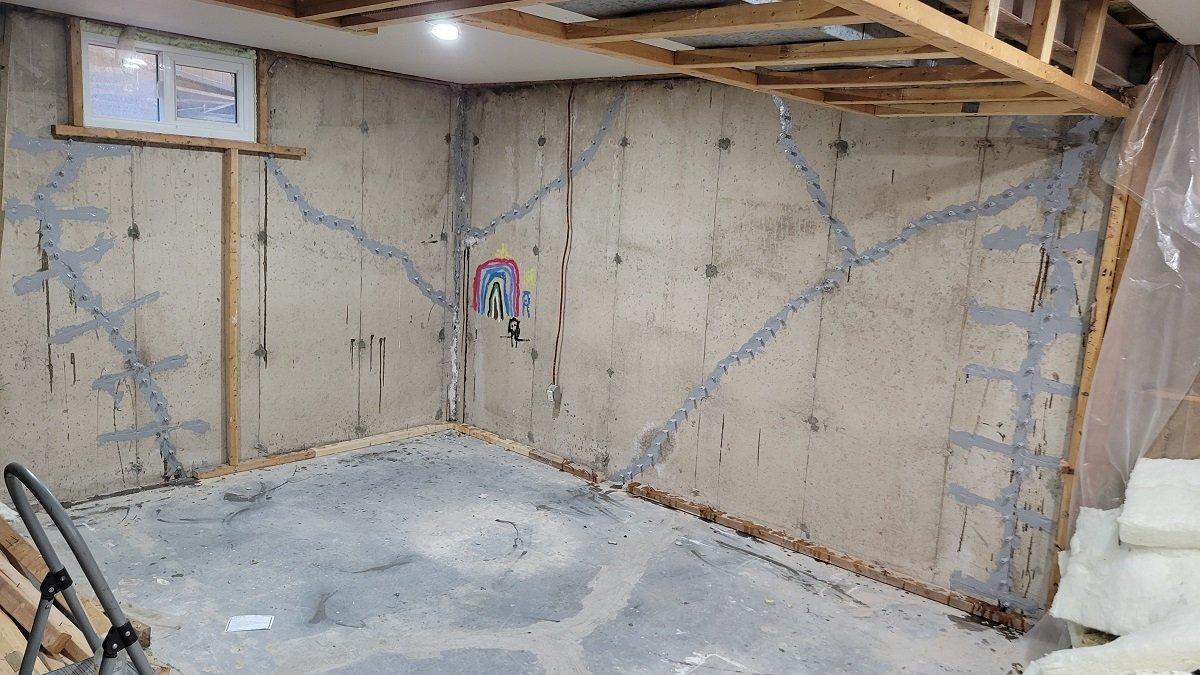
How structural epoxy injection repairs concrete foundation cracks in Los Angeles without heavy excavation, when it works and when underpinning is needed.
Table of Contents
- Why Concrete Foundations Crack in Southern California
- Hairline Shrinkage vs. Structural Cracks: Identifying the Difference
- How High-Pressure Structural Epoxy Injection Works
- 2026 Cost Comparison: Epoxy Injection vs. Heavy Underpinning
- Why PiersPro Prioritizes Honest Structural Restoration
- When Epoxy Is Enough and When It Is Not
- Frequently Asked Questions
Why Concrete Foundations Crack in Southern California
In Los Angeles and Orange County, foundation cracks are one of the most common issues reported during home inspections. The primary culprit is Southern California's expansive adobe clay soil, which dramatically swells during winter El Niño rains and shrinks during dry summer months. This cyclical hydrostatic pressure exerts thousands of pounds of lateral force against stem walls and concrete slabs.
When homeowners notice cracks in their foundation perimeter or crawl space walls, panic often sets in. Many assume that thousands of dollars in deep helical piers or total foundation replacement are mandatory. However, where the settlement has stopped and the crack is stable, high-pressure structural epoxy injection often restores the concrete at a fraction of the cost.
Hairline Shrinkage vs. Structural Cracks: Identifying the Difference
Before selecting a repair methodology, licensed contractors determine whether a fissure is non-structural or an active structural compromise:
- Hairline Shrinkage Cracks (< 1/16 inch):
- Typically vertical or slightly meandering.
- Caused by natural concrete hydration curing and minor temperature swings.
- Non-structural, but require surface sealing to prevent moisture intrusion.
- Structural Shear & Settlement Cracks (> 1/8 inch):
- Horizontal cracks along stem walls: Indicative of heavy soil pressure or bowing walls.
- Diagonal stair-step cracks in concrete blocks: Typical of localized foundation corner sinking.
- Displaced or sheared cracks: Where one side of the crack is offset from the other.
How High-Pressure Structural Epoxy Injection Works
Structural epoxy injection is not a superficial silicone caulk. It is an engineered process that molecularly welds severed concrete back into a monolithic unit. The cured epoxy possesses a tensile strength of over 7,000 to 12,000 PSI—substantially stronger than the original 3,000–4,000 PSI residential concrete.
The 4-Step Professional Injection Protocol:
- Surface Preparation & Port Installation: The crack is mechanically cleaned of efflorescence and debris. Surface injection ports are adhered every 6 to 12 inches along the fissure using a rapid-curing epoxy paste.
- Surface Capping: The entire face of the crack between ports is sealed with a high-modulus surface cap to contain high-pressure resin flow.
- Progressive High-Pressure Injection: Starting from the lowest port, low-viscosity epoxy is pumped under pressures ranging from 20 to 150 PSI. As resin penetrates deep through the wall and emerges from the port above, the lower port is capped, ensuring complete void consolidation from front to back.
- Hydrophobic Polyurethane for Active Leaks: If ground water is actively seeping through during rainy seasons, hydrophobic polyurethane foam is injected first. It expands up to 20 times its volume, creating a flexible, watertight seal.
2026 Cost Comparison: Epoxy Injection vs. Heavy Underpinning
| Repair Methodology | Typical Scope | Southern California Average Cost | Equipment Required |
|---|---|---|---|
| High-Pressure Epoxy Injection | Per crack | $250 – $850 per crack | Hand pumps / Pneumatic injectors (Zero heavy machinery) |
| Carbon Fiber Stitching | Structural wall stabilization | Priced after inspection | Hand grinding & resin rollers |
| Helical Pier Underpinning | Settled footing, 5–15 piers typical | $1,800 – $2,500 per pier | Heavy excavators, drilling rigs, hydraulic drive units |
Note: all figures are preliminary and depend on an on-site inspection with elevation measurements.
Why PiersPro Prioritizes Honest Structural Restoration
PiersPro specializes in targeted structural crack repair. If your home's elevations are within safe structural tolerances, we restore your foundation's strength using carbon fiber and high-pressure epoxy.
When Epoxy Is Enough and When It Is Not
- Epoxy fits a crack in sound concrete that has stopped moving. It bonds the two sides and keeps water out.
- Epoxy does not fit a crack that is still opening. The concrete breaks again beside the repair. The cause is corrected first: drainage for water-driven movement, underpinning for settlement.
- Leaking cracks are sealed against water first and structurally repaired once dry.
Two sets of measurements a few months apart, or an elevation survey, tell which case you have. That check costs far less than repairing the same crack twice.
Schedule a Foundation Inspection:
Contact PiersPro today at (213) 583-6669 or book an inspection online. A visual inspection starts at $99, credited toward repair.
Frequently Asked Questions
Q1: Does epoxy injection stop a crack from coming back?
A1: It does when the cause of the crack has stopped. If the foundation is still moving, the concrete cracks again nearby, so the movement is addressed first.
Q2: How do I know if my crack is structural?
A2: Width over about 1/8 inch, an offset between the two sides, a horizontal or stair-step pattern, and matching signs such as sticking doors point to structural movement.
Q3: Is epoxy injection messy or disruptive?
A3: No heavy equipment is involved. Ports are set along the crack, the surface is sealed and resin is injected; the work is done from one side of the wall.
Prices and ranges in this article are approximate and for planning only, and every project is priced individually. The final cost is determined only after an on-site estimate and may differ from the figures shown on this site.
Permit rules, fees, codes and deadlines vary by city and county and change over time. Please confirm the details with the building department of your city or county before starting work.
About the author: This article was prepared by the PiersPro team. PiersPro is a d/b/a of SKILL SEE SERVICES INC, a California licensed contractor (Class B, CSLB #1110475). Verify the license on the CSLB website.