
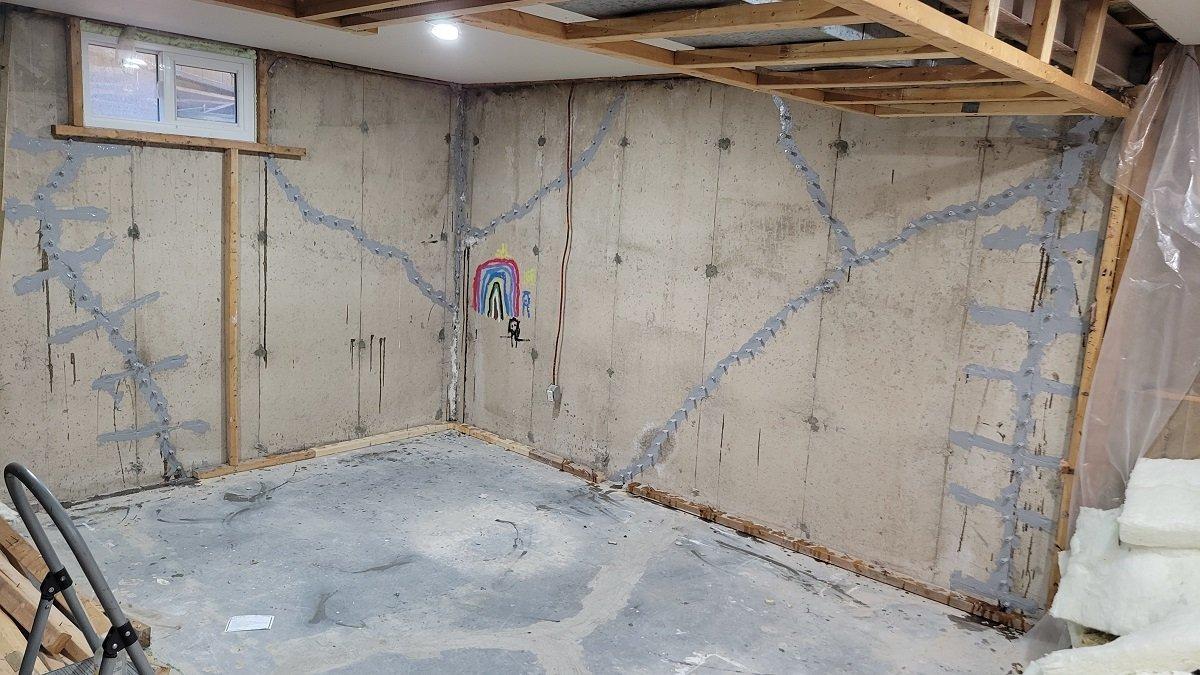
Not every crack means foundation failure. See which cracks in Yorba Linda homes are cosmetic, which point to settlement, and when to book an inspection.
Table of Contents
Foundation cracks in Yorba Linda homes fall into two groups: the ones you can leave alone and the ones that show the house is moving. Almost every house has cracks. Very few need structural repair. What separates the two is not how ugly the crack looks. It is the pattern, the width, and whether the crack is still moving. A hairline crack that has looked the same for years is usually cosmetic. A crack that is wider at one end, has a step between its sides or keeps coming back after patching deserves an inspection with measurements.
Cracks that are usually cosmetic
- Hairline vertical cracks in a concrete stem wall or slab, the same width top to bottom. Concrete shrinks as it cures, and these often appear in the first years.
- Thin stucco cracks at the corners of windows and doors that have looked the same for years.
- Cracks with no step between the two sides. Run a finger across: if both sides are flush, nothing has dropped.
Cracks that deserve an inspection
- Tapered cracks: wider at the top than the bottom, or the reverse. One part of the foundation is moving more than the rest.
- Stair-step cracks in block or brick walls.
- Horizontal cracks in a stem wall or retaining wall. These point to pressure from the side, usually wet soil.
- Offset cracks: one side sits higher or further out than the other.
- Cracks that come back after patching.
- Cracks with company: doors that stick, floors that slope, gaps opening at baseboards or ceilings. See the full list of signs of foundation problems.
Crack types at a glance
| What you see | What it usually means | What to do |
|---|---|---|
| Hairline, uniform width, no step | Concrete shrinkage | Seal against moisture, watch |
| Thin stucco crack at a window corner, unchanged for years | Normal stress point | Cosmetic patch |
| Tapered crack, wider at one end | Uneven settlement | Inspection with elevation survey |
| Stair-step crack in block or brick | Settlement or soil movement | Inspection |
| Horizontal crack in a stem or retaining wall | Lateral pressure, usually water | Inspection, check drainage |
| Offset between the two sides | Active movement | Inspection soon |
Why hillside pads move in Yorba Linda
Many Yorba Linda neighborhoods are built on graded hillside pads. Part of the pad is cut into the slope and part is compacted fill. The fill side can settle more than the cut side, so movement tends to show up at one corner or along one wall instead of evenly. Irrigation, roof runoff and soil that swells when wet and shrinks when dry add to it. The soils here are Puente Hills clays and canyon sediments; our guide to expansive clay soil explains why they move.
Yorba Linda is also close to the Whittier Fault. Cracks do not tell you whether a raised-foundation house is bolted and braced, so older homes are worth a separate look for earthquake retrofitting.
How to monitor a crack yourself
Before you call anyone, two simple checks help:
- Mark and date the ends. Draw a pencil line across each end of the crack and write the date. If the crack grows past the marks, it is active.
- Measure the width at the same spot every month or two and after heavy rain. Photograph it next to a ruler.
A crack that does not change through a full wet and dry season is usually stable. One that widens, lengthens or develops a step is not.
What an inspection measures
An inspection replaces guessing with numbers:
- A floor elevation survey shows how far the house is out of level and in which direction.
- Crack mapping records width and offset, so later readings show whether movement continues.
- Grading and drainage are checked, because water is behind most settlement.
- The crawl space or slab edge is examined for the condition of the concrete and framing.
A visual inspection starts at $99 for homes up to 1,000 sq ft; it does not include a crawl space check or a written report. An instrumental inspection with a written report and itemized estimate starts at $250. Both fees are credited toward repair.
Repair depends on the cause
A stable crack may only need sealing against moisture. A crack caused by water needs drainage corrected first. Active settlement is stopped by underpinning and foundation repair, most often with helical piers that carry the load down to firm soil. The repair plan follows the measurements, not the look of the crack. If you are selling, read will foundation cracks hurt your home's value.
See a crack you are not sure about? Schedule a foundation inspection and get a clear answer before it becomes a bigger repair.
Frequently Asked Questions
Q1: Are hairline cracks in a foundation normal?
A1: Usually yes. Concrete shrinks as it cures, and thin cracks of uniform width with no step between the sides are common. Seal them against moisture and check now and then that they are not changing.
Q2: Which foundation cracks are serious?
A2: Cracks that are wider at one end, stair-step through block or brick, run horizontally in a wall, show an offset between sides or reopen after patching. These patterns point to movement or lateral pressure and should be measured.
Q3: Can I just patch a crack myself?
A3: You can seal a stable hairline crack to keep moisture out. Patching a crack that is still moving hides the symptom and the crack returns, so find out first whether it is active.
Q4: What does it cost to find out if a crack matters?
A4: A visual inspection starts at $99 for homes up to 1,000 sq ft, without a crawl space check or written report. An instrumental inspection with a written report and estimate starts at $250. Both are credited toward repair.
Prices and ranges in this article are approximate and for planning only, and every project is priced individually. The final cost is determined only after an on-site estimate and may differ from the figures shown on this site.
Permit rules, fees, codes and deadlines vary by city and county and change over time. Please confirm the details with the building department of your city or county before starting work.
About the author: This article was prepared by the PiersPro team. PiersPro is a d/b/a of SKILL SEE SERVICES INC, a California licensed contractor (Class B, CSLB #1110475). Verify the license on the CSLB website.