
Dmitrii from PiersPro explains advanced structural wood repair techniques, dry rot solutions, and beam replacement for Southern California homes. Learn about safety & compliance.
Table of Contents
Is your Southern California home telling you a story of hidden structural issues? Perhaps you've noticed a subtle sag in your floors, a persistent creak in your stairs, or a musty odor emanating from your crawl space. These are often the earliest, most critical indicators of structural wood damage – a problem that, if left unaddressed, can compromise your home's safety and value significantly.
As Dmitrii, owner and expert at PiersPro, I've seen firsthand how crucial timely and professional structural wood repair is for homeowners in Los Angeles and Orange County. We're not just patching problems; we're providing permanent, engineered solutions that bring peace of mind and restore your home's integrity. With building codes and material science constantly evolving, especially for 2025 and beyond, staying ahead means leveraging the latest advancements in structural wood repair.
Understanding the Silent Threat: Dry Rot, Termites, and Water Damage
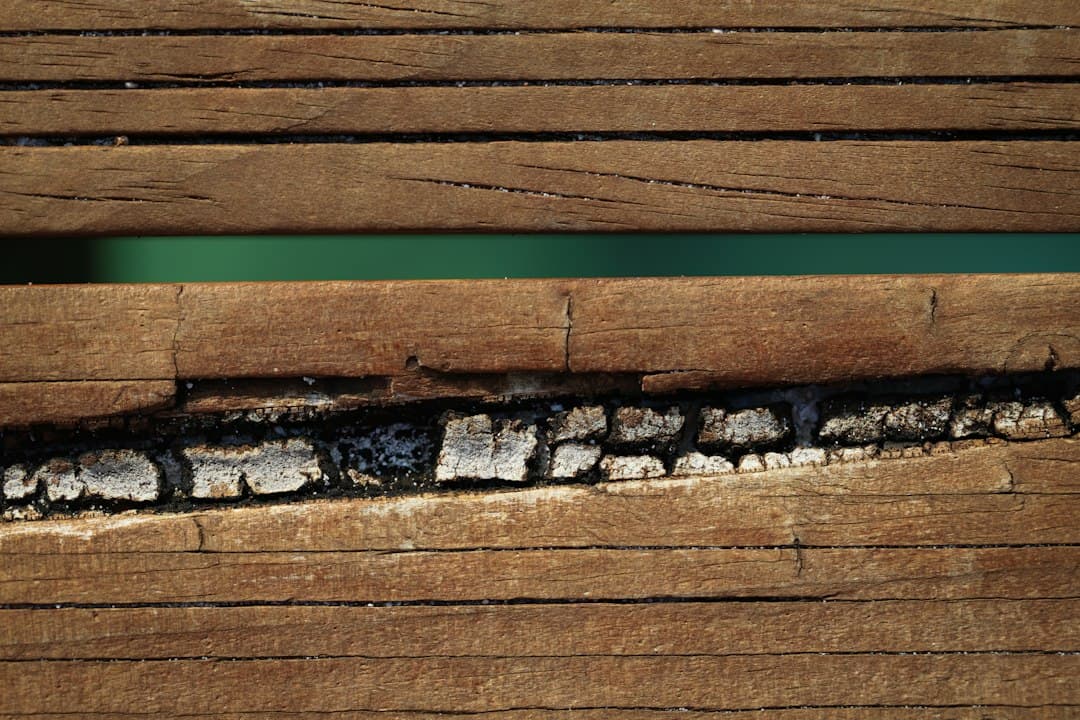
The unique climate of Southern California, with its combination of dry periods and occasional heavy rains, creates a perfect breeding ground for various forms of wood degradation. Dry rot, despite its name, requires moisture to thrive and is a common culprit, often flourishing in poorly ventilated crawl spaces. Termites are another pervasive threat, silently hollowing out crucial structural elements. Water damage, whether from leaky pipes, improper drainage, or roof issues, weakens wood fibers and invites both rot and pests.
Modern Diagnostics: Seeing Beyond the Surface
In 2025, our approach to identifying structural wood damage goes beyond visual inspection. We utilize advanced diagnostic tools, including high-resolution thermal imaging to detect hidden moisture pockets, and remote visual inspection cameras for thorough crawl space analysis. These technologies allow us to pinpoint the exact extent of damage with unprecedented accuracy, ensuring that our repair plan is comprehensive and effective. This precision is vital for compliance with strict local regulations, including those set by LADBS (Los Angeles Department of Building and Safety), which increasingly emphasizes detailed pre-assessment for structural projects.
Engineering the Future of Wood Repair: Beyond Traditional Fixes
When structural wood components like floor joists, support beams, or sill plates are compromised, merely 'fixing' the visible damage isn't enough. A truly permanent solution requires a deep understanding of structural engineering principles and the application of modern repair techniques. At PiersPro, we specialize in structural wood repair that meets and exceeds current building standards.
Advanced Materials and Techniques for 2025/2026
For beam replacement and sistering floor joists, the industry has seen significant advancements. We frequently employ high-strength engineered wood products like Laminated Veneer Lumber (LVL) or Glued Laminated Timber (Glulam) for critical beams, offering superior strength-to-weight ratios and enhanced dimensional stability compared to traditional lumber. For joist sistering, we often use new generation pressure-treated lumber that incorporates micronized copper azole (MCA), providing robust, long-lasting protection against rot and insects, a key innovation for 2025 durability standards.
Our techniques also integrate precise laser-guided cutting for seamless replacements and the strategic application of structural epoxies for wood consolidation in less severe cases. This meticulous approach ensures that every repair is not only strong but also designed to last, significantly reducing the likelihood of future problems. This focus on permanent solutions ultimately translates to greater cost-effectiveness for homeowners, preventing recurring expenses.
Common Structural Wood Repairs & Considerations
| Repair Type | Description | Considerations |
|---|---|---|
| Dry Rot Treatment | Removal of compromised wood, application of fungicidal treatments, and replacement with treated lumber or engineered wood. | Crucial to identify and eliminate the moisture source first. Proper ventilation in crawl spaces is key for prevention. |
| Floor Joist Sistering | Bolting or nailing new lumber (often treated or engineered) alongside compromised floor joists to reinforce them. | Ideal for sagging or moderately damaged joists. Requires careful calculation of load distribution. Often pairs with foundation repair if the sag indicates wider issues. |
| Beam Replacement | Complete removal of severely damaged main support beams and installation of new, appropriately sized engineered wood or steel beams. | A major structural undertaking requiring temporary shoring and expert engineering. Ensures load-bearing capacity is fully restored. |
| Post Replacement | Replacing deteriorated wooden support posts in crawl spaces with new treated lumber posts or concrete/steel piers. | Essential for maintaining proper floor leveling and structural stability. Often part of a broader crawl space structural repair plan. |
| Sill Plate Repair | Repairing or replacing the wood member directly on top of the foundation, susceptible to rot, termites, and seismic shifting. | Critical for seismic integrity, especially in California. Often requires careful lifting of the structure. |
Frequently Asked Questions About Structural Wood Repair
Q1: What are the key signs of structural wood damage in my Southern California home?
A: Beyond the initial warning signs like squeaky or bouncy floors, look for visible sagging in floors or ceilings, doors or windows that stick, unexplained cracks in drywall, musty odors in crawl spaces or basements, and visible signs of mold, mildew, or wood-destroying organisms like termites or dry rot on accessible wood members. Early detection is key to limiting the scope and cost of repairs.
Q2: How can I prevent future structural wood damage?
A: Prevention is paramount. Ensure your home has proper drainage systems to divert water away from the foundation. Maintain good ventilation in your crawl space – sometimes installing a vapor barrier or even full encapsulation is necessary. Regularly inspect for leaks in plumbing and roofing, and address them immediately. Professional inspections can catch issues before they become major problems.
Q3: Is DIY structural wood repair safe or effective?
A: For structural wood damage, DIY is strongly discouraged. Structural repairs require a deep understanding of engineering principles, load paths, building codes (like those enforced by LADBS), and specialized equipment. Improper repairs can lead to further damage, safety hazards, and may not pass inspections. Always consult a licensed and experienced structural contractor like PiersPro for these critical projects.
Q4: How long does structural wood repair typically take?
A: The duration varies significantly based on the extent and complexity of the damage. Minor repairs might take a few days, while major beam replacements or extensive joist sistering could span several weeks. During your free inspection, Dmitrii and the PiersPro team will provide a detailed timeline along with a comprehensive repair plan and cost estimate.
Don't Let Wood Damage Compromise Your Home's Future
Ignoring structural wood damage is a risk no homeowner should take. As Dmitrii, I stand by PiersPro's commitment to delivering permanent, engineered solutions that safeguard your Southern California home's structural integrity for years to come. We hold California General Contractor License #1110475 and are dedicated to the highest standards of safety and quality.
If you suspect structural wood damage, don't wait. Contact PiersPro today for a free, no-obligation inspection. Call us directly at (213) 583-6669 or book your free inspection online. Let's work together to ensure your home remains strong, safe, and valuable.